

Should You Repair or Replace the Roof?
A leak does not automatically mean a new roof. Understand what makes a focused repair workable and what changes the decision toward replacement.
Start with the condition around the damage
A missing shingle, a ceiling stain and an older roof can each bring replacement to mind. None settles the question alone. A repair needs more than a new piece over the visible damage: it needs a sound place to connect to the roof around it.
We look at that surrounding condition during the free roof walk. If the problem stays in a workable detail, the answer can stay local. If deterioration or damaged supporting material extends farther, the scope expands with it. The useful choice is the work that addresses the actual roof, rather than an age cutoff or a rule about the size of a repair bill.
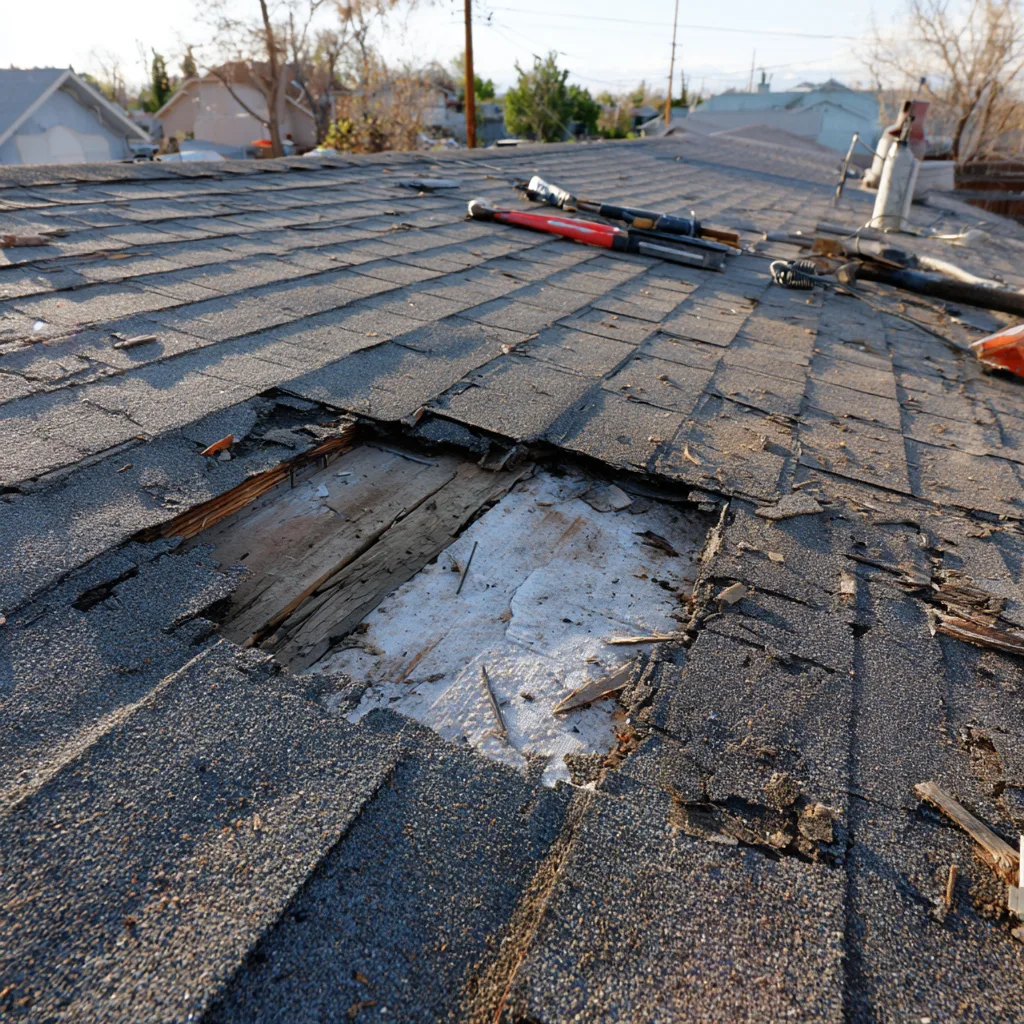
When a roof repair makes sense
A focused repair can preserve serviceable roof material when the failed component and its connections can be restored properly. Three conditions shape that possibility.
- The failure is concentrated
A split vent collar, displaced flashing or damaged group of shingles can create one water-entry path. The repair follows the opening and affected layers, including damage beneath a defect that looks small from outside.
- The surrounding material can accept the work
Adjoining shingles need to lift and reconnect without breaking. Replacement material has to fit the existing system and fastening pattern. A close color is useful for appearance, but compatibility is what allows the repair to work.
- The supporting connections are sound
The deck and flashing must give the repaired section a sound base and a path for water to leave. When wood beneath one detail has deteriorated, a local roof repair can need a wider opening before it reaches material worth keeping. Request a free inspection to understand that boundary on your roof.
When replacement answers the wider problem
Replacement becomes a different kind of answer when a roof-wide condition keeps undermining local work. It renews the covering and connected assembly rather than chasing each opening separately.
- Deterioration spreads beyond one detail
Brittle covering or repeated failures across a slope make a dependable tie-in harder. More patches do not renew the material between them. The condition of the remaining roof is part of the decision, even if the current leak is small.
- Underlying layers need wider renewal
Deck damage, failed underlayment or incompatible layers can extend the work below the visible covering. Replacement allows the affected assembly to be rebuilt, but the extent of concealed damage still follows what removal reveals.
- The system needs a broader correction
Water-shedding details and ventilation deserve attention with the new covering. Roof replacement explains those connected decisions. A material upgrade alone does not correct every flashing, deck or airflow problem.
How the inspection separates the choices
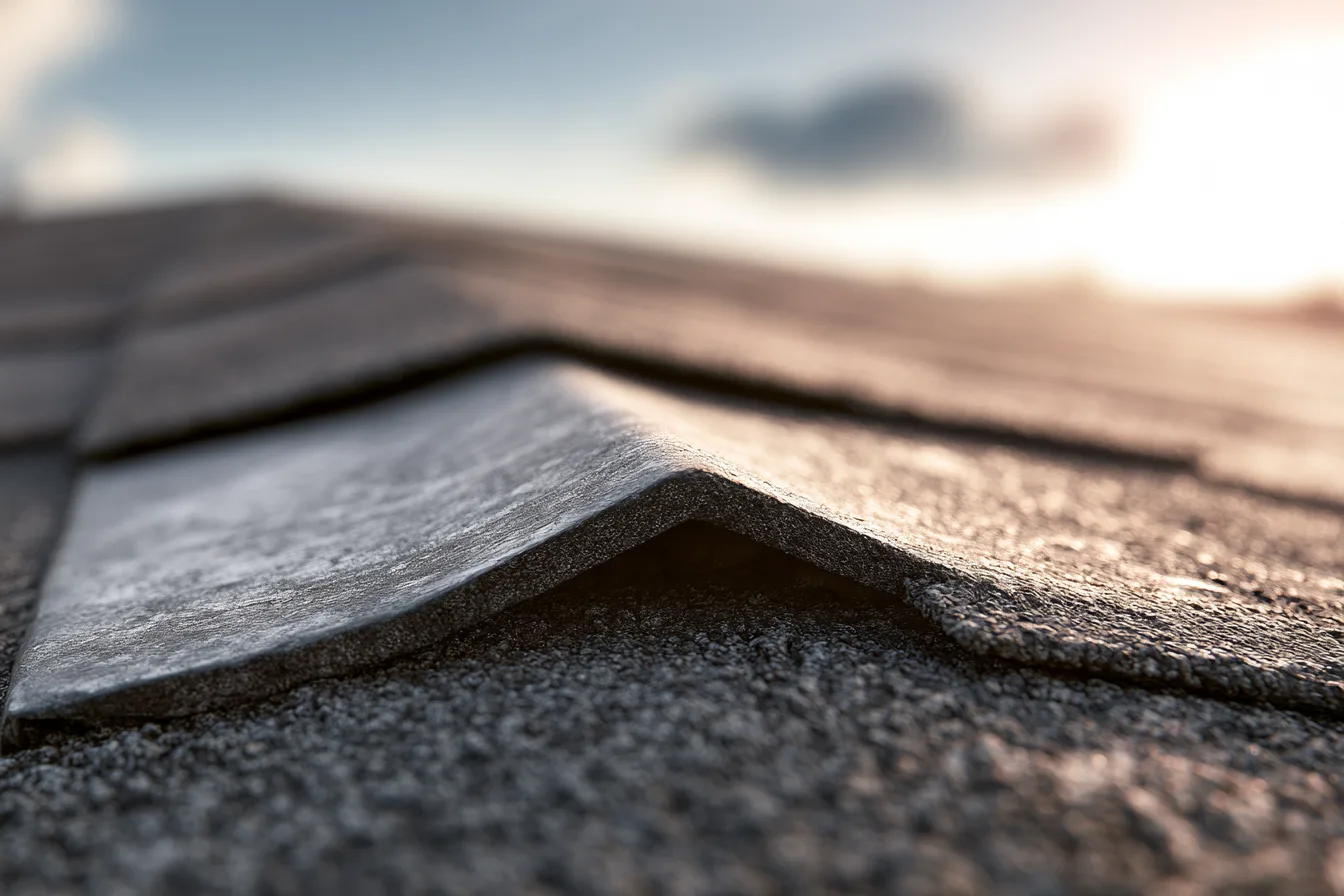
Start with what brought you here
Tell us where you noticed a change and roughly when it began. Water inside, shingles outside or a run of earlier repairs gives the roof walk a useful starting point. You do not need to investigate the roof yourself.
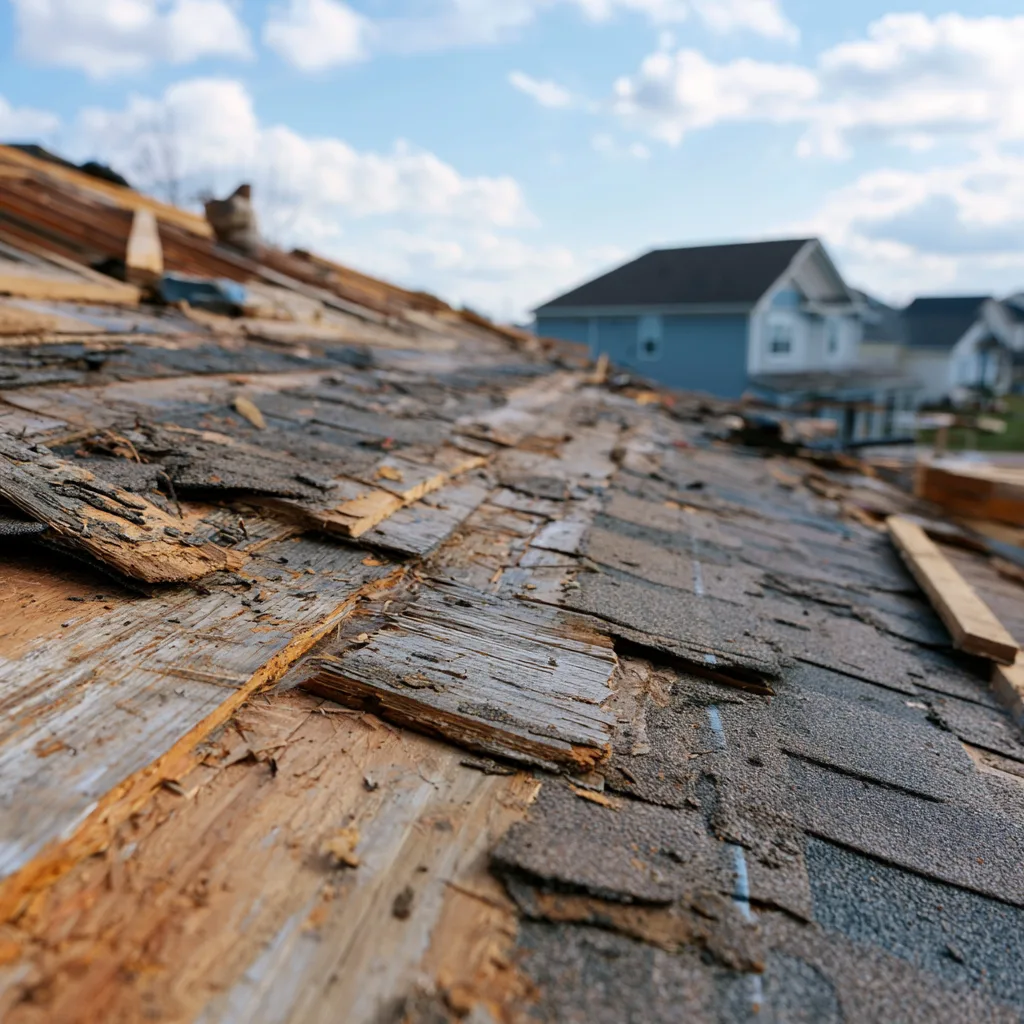
Look at the defect and its surroundings
A roofer walks the roof and considers the covering, adjoining material and connected details. The condition around the opening helps determine whether the work can stay local or needs to reach farther.
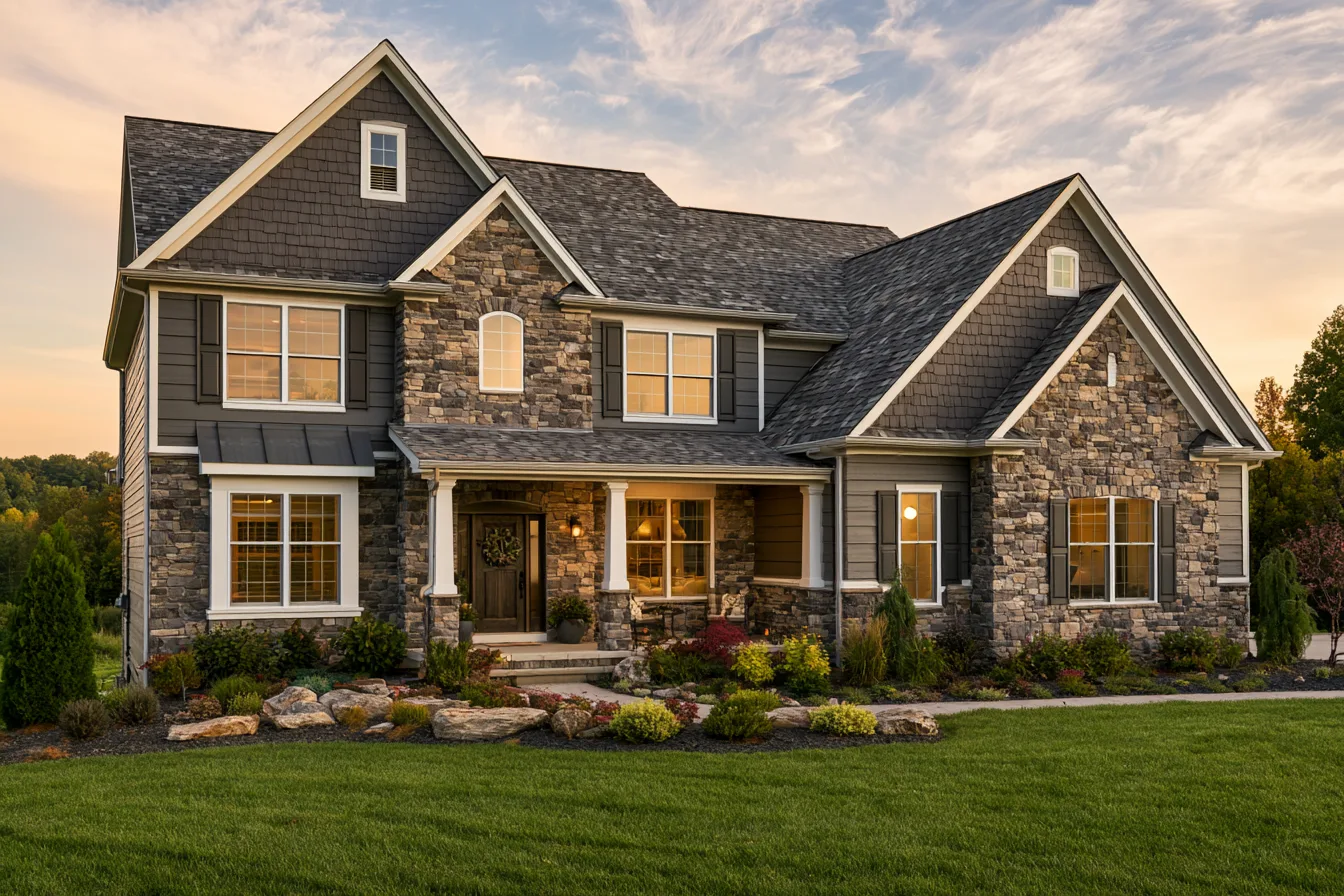
Compare the actual scope
The options follow the findings: a focused repair, a larger affected section or replacement. The roof repair service develops local work; the cost guide explains replacement budgets when the bigger scope is relevant.
Repair or Replace FAQs
Is a roof too old to repair?
Age is context, not a verdict. Workable adjoining material, compatible replacement parts, sound decking and good connections determine whether a lasting repair is practical. An older roof can have a local problem, while a newer roof can have wider damage.
Does a second leak mean the whole roof is failing?
Not by itself. The leaks could involve separate details, an unresolved water path or a wider condition. The inspection considers their causes and the roof around them before drawing that distinction.
Can work be done in sections?
Sometimes, when the new and retained sections can connect correctly and the remaining roof is serviceable. Valleys, ridges, walls and changes in material can affect those connections, so the whole arrangement matters.
Does an insurance claim decide whether the roof can be repaired?
No. The physical condition determines whether a repair can connect properly to the roof. The policy and insurer determine coverage and payment. The roof insurance guide explains that separate decision.
Let’s talk about your roof.
Tell us where the property is and what you have noticed. A free roof inspection is a useful place to start.