
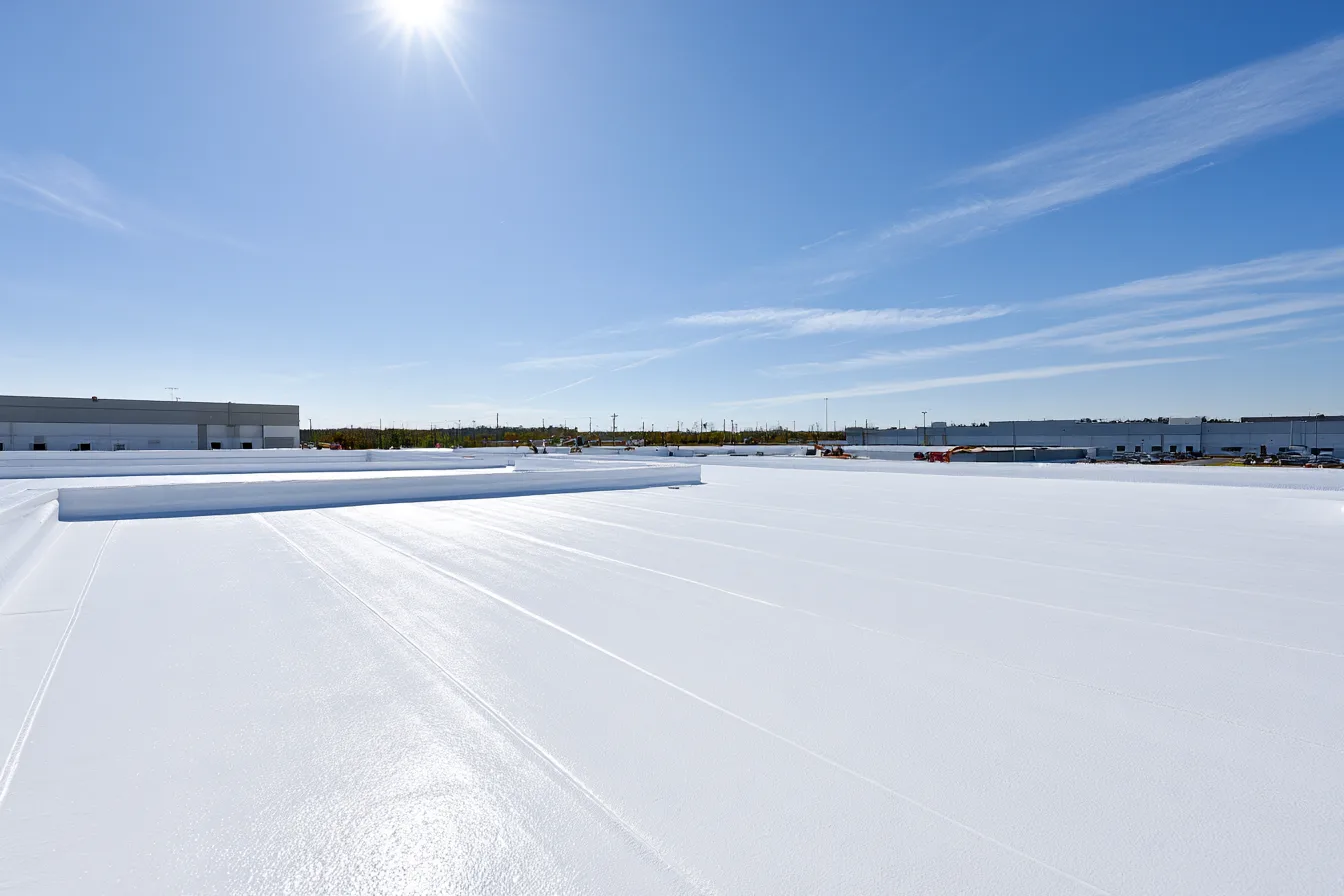
Roof Coatings in Greenville, TX
Restoration starts with what is already on the building. See when a coating can renew a suitable commercial roof and when the layers beneath it need different work.
Commercial roof coating decisions in Greenville
A coating can give a suitable roof a renewed weathering surface. It cannot repair wet insulation, strengthen a damaged deck or correct an assembly that is coming loose. The existing roof has to support the restoration before the coating becomes the answer.
That starts with compatibility, dryness, sound attachment and a repairable surface. The roof material, prior coatings, seams, penetrations and drainage all affect the selected system and its preparation. A roof that looks ready for a fresh surface can still have conditions underneath that change the project.
For a Greenville building owner, the useful decision is whether restoration addresses the roof's real condition and operating needs. A free roof walk can help establish that initial direction; further investigation can be needed where concealed moisture or adhesion is in question.
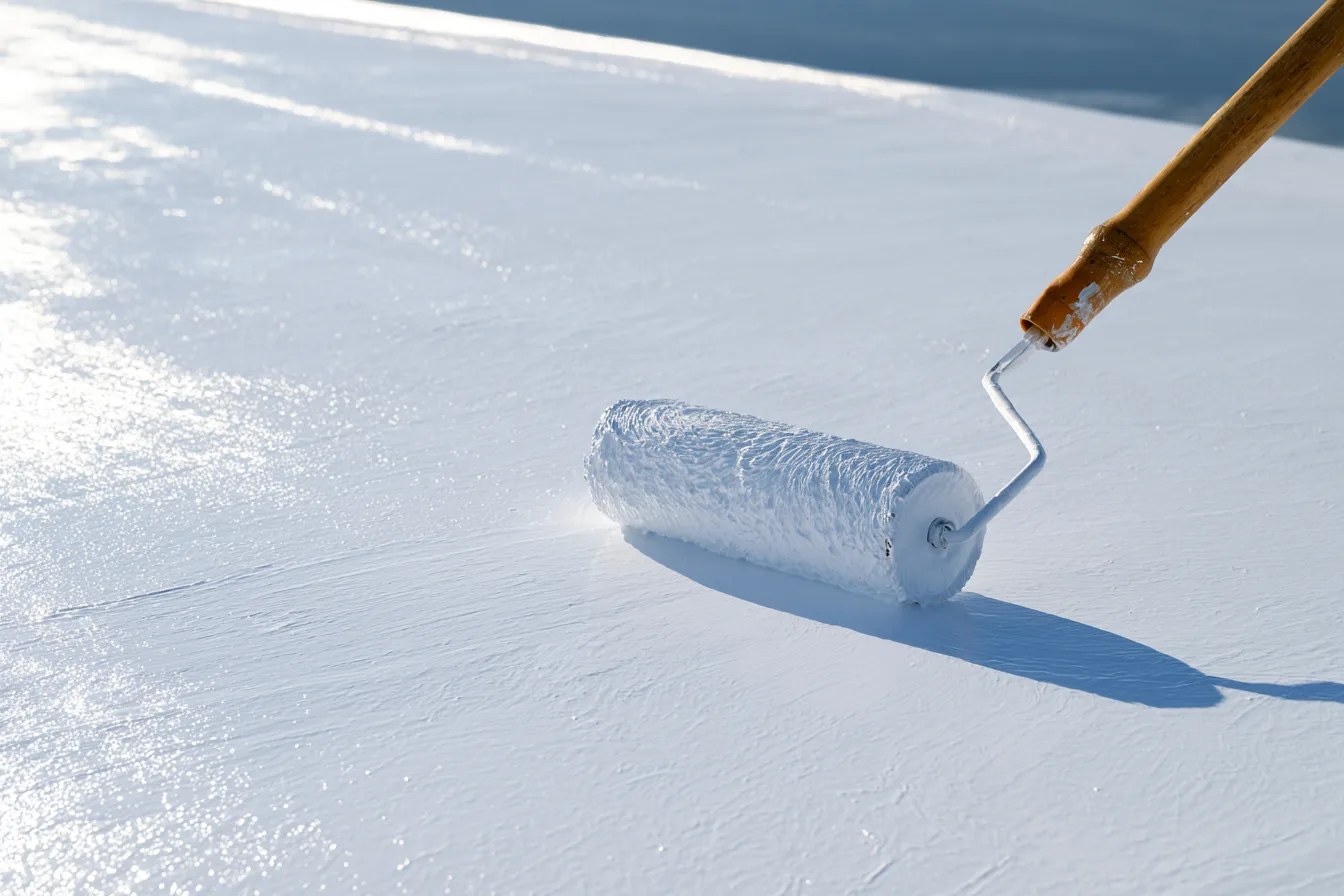
When roof restoration fits
Suitability comes before product selection. The work below the surface can determine whether restoration is a sound use of the budget.
When the underlying roof cannot support restoration, commercial replacement planning explains how the assembly and occupied-building sequence fit together.
Preparation and coating-system details
A liquid-applied roof is an installed system. Preparation, reinforcement and application conditions determine the connection to the existing roof.
- Clean and prepare the substrate
The existing surface needs the preparation specified for the chosen system, including compatible cleaning and any required primer. Dirt, loose coating, contaminants or an unsuitable substrate can prevent a reliable bond. Compatibility and adhesion need to be established for the actual material.
- Repair seams, openings and wet areas
Open defects and unsuitable material are corrected before the coating is applied. Seams, curbs, penetrations and edges receive the system's required detailing or reinforcement. Applying a continuous surface over a failed connection does not rebuild that detail.
- Apply for the system and the weather
Specified coverage, film thickness, reinforcement and cure conditions belong together. Different coating chemistries have different application limits. Weather, moisture and the building's use can affect the work window and the sequence around occupied areas.
- Maintain the restored roof
Drainage, equipment traffic and later rooftop work still need attention after restoration. Inspection and maintenance requirements, permitted repairs and warranty conditions come from the selected system and issuer. A coating does not make the roof maintenance-free.
Roof coating FAQs
Will a coating stop every roof leak?
No. Leaks caused by open details, wet layers, damaged support or drainage problems need their own correction. A suitable coating is applied after the necessary preparation and repairs, rather than used to conceal an unresolved cause.
Is a coating suitable where water stands?
The source of standing water and the selected product's requirements both matter. Some products have specific water-exposure limits. The coating does not change the roof's drainage geometry, so a drainage defect needs assessment as part of the scope.
Can an existing TPO roof be restored?
Some systems are designed for a suitably prepared TPO substrate. Compatibility, adhesion, membrane condition and dry underlying layers still have to support the work. The TPO roofing page explains the membrane details that affect repair and restoration.
Does restoration avoid disruption inside the building?
Restoration can avoid some tear-off when the existing assembly is suitable, but access, application conditions, odor, equipment and the needs of occupants still affect the sequence. The actual system and building use determine how those needs are handled.
Can a coated roof be recoated later?
That depends on the existing coating, adhesion, condition and the next system's requirements. Cleaning, repair and preparation remain necessary. A future recoat is a new suitability decision, not an automatic extension of the current roof.
Let’s talk about your building’s roof.
Tell us where the property is and what you have noticed. A free roof inspection is a useful place to start.