
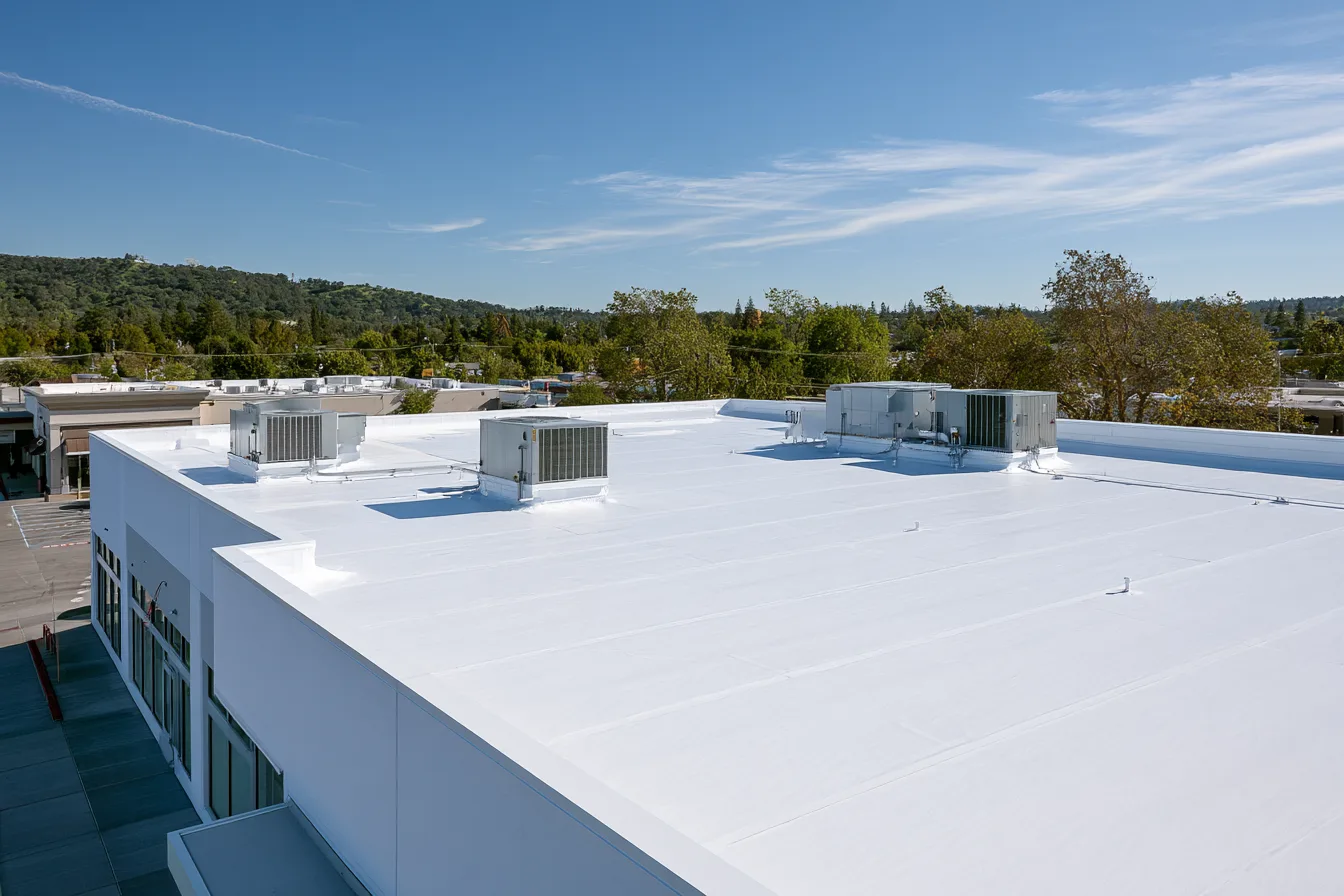
Commercial Roof Replacement in Greenville, TX
Plan a new roof around the building beneath it. Understand tear-off, recover, insulation, drainage and the sequence for work over occupied Greenville property.
Planning commercial roof replacement in Greenville
Replacing a commercial roof is a building project, not just a membrane purchase. The existing layers, deck and drainage need to support the new system, while people, equipment and operations below the roof need a workable sequence.
The initial question is what can remain. A sound, dry assembly is a different starting point from wet insulation, a deteriorated deck or an attachment problem. Keeping unsuitable layers can carry the old problem into the new roof.
For a Greenville owner or property manager, a free roof walk helps frame that decision. Existing roof records, known leaks, equipment changes and access restrictions can inform the project without requiring you to diagnose the assembly yourself.
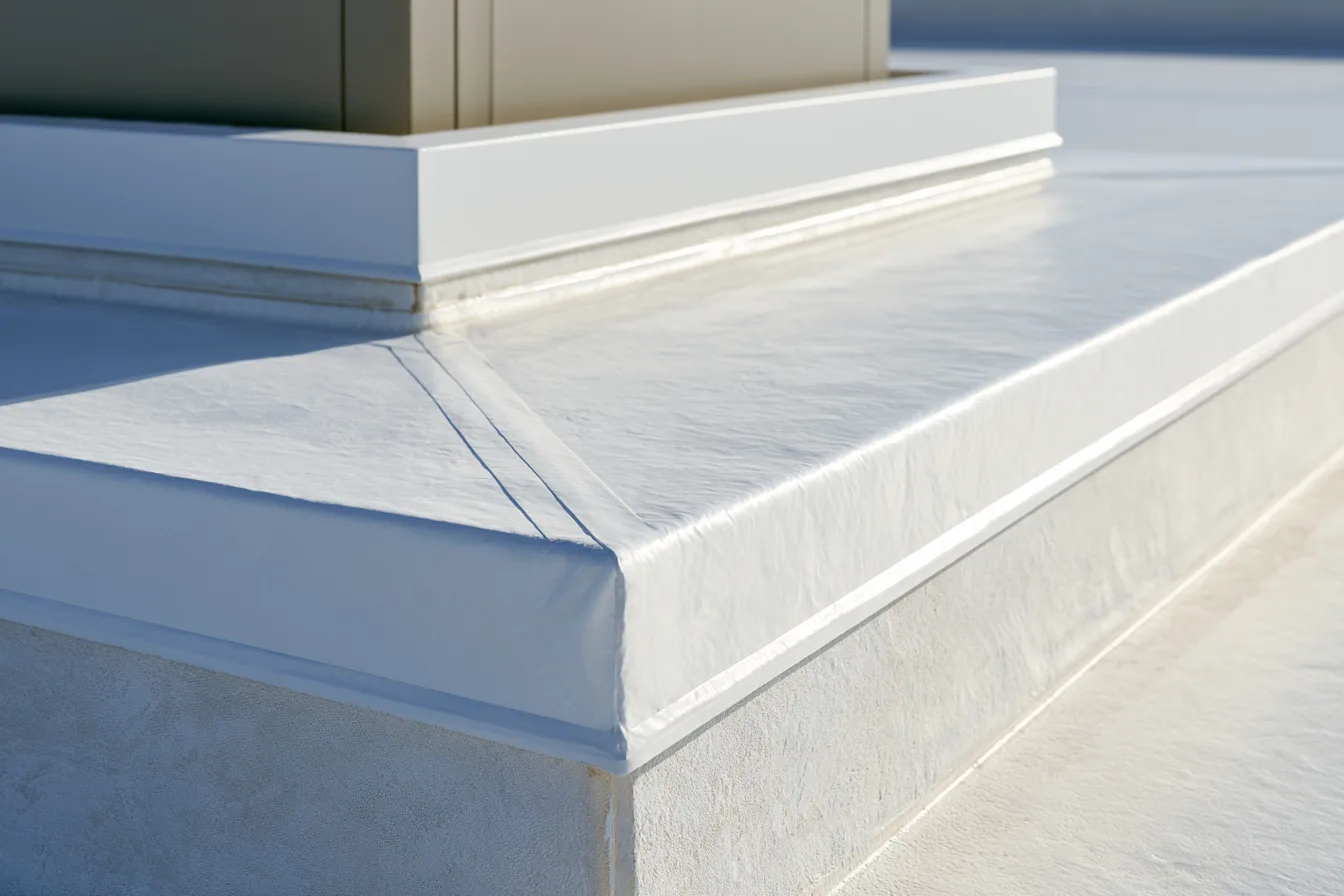
Tear-off or recover for a commercial roof
A recover places a new approved assembly over a suitable existing roof. Tear-off removes existing roofing so underlying conditions can be addressed. Neither option is established by roof area alone.
Concealed conditions can require further assessment before either direction has a complete scope.
What changes a commercial replacement scope
A useful replacement plan explains the assembly as well as the surface. These decisions affect quantities, detailing and the resulting roof.
- Membrane and insulation
The covering, insulation and attachment need to be selected as a compatible assembly. Insulation condition, thickness and layout influence the new buildup. TPO roofing is one supported system path, with its own seam and flashing details.
- Drainage and deck condition
Drains, scuppers and roof slope need to move water along an intended route. Tapered insulation or other drainage work can be part of the scope where suitable. A damaged or moving structure needs the appropriate assessment; changing the membrane cannot correct every underlying cause.
- Edges and rooftop equipment
Perimeter securement, wall flashings, penetrations and equipment curbs need to connect to the new roof height and assembly. Units, pipework and electrical connections can require coordinated work by their trades. Leaving those decisions until the membrane is installed can create avoidable rework.
- Removal and concealed damage
The number and type of existing layers affect removal and disposal. Wet insulation and deck deterioration can increase the work discovered during tear-off. Those conditions need a way to be addressed within the actual project scope.
Commercial roof replacement around daily operations
The sequence needs to protect the building while making the work practical. A warehouse, retail property and tenant-occupied building can have different access and exposure needs.
- Stage the work around the property
Delivery routes, loading areas, tenant entrances and roof access affect where material and removed roofing can go. The building's operating needs belong in that plan before staging is set.
- Manage exposure as the work progresses
Tear-off exposes the building until the new assembly is closed in. Weather, the size of the work area and the condition found beneath the old roof affect the sequence. Sensitive equipment or spaces below the work need to be considered with that exposure.
- Budget for the actual assembly
Area, roof height, removal, deck work, insulation, drainage and equipment details drive the cost. A simple membrane price omits much of that scope. Replacement planning needs to connect those costs to the building's present condition and intended use.
Commercial roof replacement FAQs
Can the building stay open during replacement?
It depends on the work, occupants, access and risks to the activities below. Some projects can be sequenced around continued use; others need restricted areas or coordinated interruptions. The plan has to address the actual building rather than assume occupancy is unaffected.
What if the roof leaks before replacement is arranged?
Active water entry still needs attention. Temporary protection or a suitable flat roof repair can be considered with the existing condition and safe access. Temporary work has a different job from renewing the assembly.
Does a new membrane solve standing water?
Not necessarily. Drainage depends on the outlets, slope and supporting assembly. Those conditions need to be considered in the replacement scope. A new surface installed over the same unresolved drainage defect can leave standing water in place.
What should stay in the building's roof file?
Keep the actual installed system, work scope, warranty information, maintenance requirements and later repairs together. Equipment additions or other rooftop work can change the roof details, so those changes belong with the records too.
Are product and workmanship warranties the same?
No. Product coverage and installation coverage address different issues and can come from different parties. The issuer, covered conditions, exclusions and available remedy determine each warranty. A new roof alone does not establish a particular term.
Let’s talk about your building’s roof.
Tell us where the property is and what you have noticed. A free roof inspection is a useful place to start.